Why does the specific unit matter?
Once a building makes your list, the unit you pick inside it can change your rent, your sleep, and your summer electric bill. If you’re choosing among new apartments in Fort Worth, two units with the same floor plan can be very different homes. We look at four things: floor, stack, exposure, and what sits next door.
How do you choose a floor?
Each floor has tradeoffs. Ground-floor units are close to parking and easy to move into, and they may hear more foot traffic. Middle floors have neighbors above and below. Top floors avoid footsteps overhead, but they can run warmer and may cost more.
Price often changes by floor, view, and corner position. We show the base rent for the exact unit, not the floor plan’s lowest price, so the comparison is fair.
How much sound should you expect between units?
New buildings follow the 2021 International Building Code, which sets a Sound Transmission Class (STC) of 50 for airborne sound and an Impact Insulation Class (IIC) of 50 for footfall between dwelling units. STC 50 means loud speech next door is faint, and normal speech is hard to hear. It doesn’t mean silence. Splitting a two-bedroom? Our guide on renting a new apartment with a roommate covers how that works.
If you sleep during the day, or work from home, we’d ask the community for the rated assemblies and pick a unit away from noise sources.
How hot does a west-facing unit get?
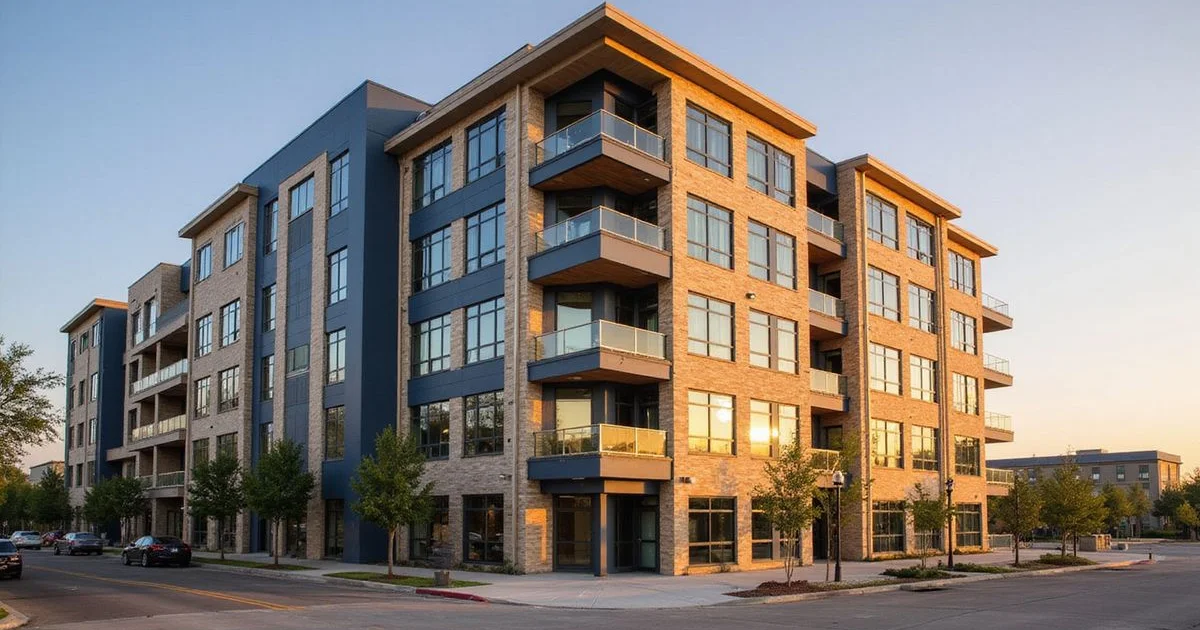
North Texas summers are long. Engineers size cooling systems against a design temperature, and Tarrant County’s is 101°F. West-facing and top-floor units take the most afternoon sun, so they work the HVAC harder. A well-sized system handles it. An undersized one runs all afternoon.
Here’s what we’d check:
- Which way the main windows face. West and southwest get the strongest afternoon sun.
- Window shading. Balconies, overhangs, and shades all help.
- HVAC tonnage for the unit. Ask whether it was sized for the exposure.
- Last summer’s electric bills for a similar unit, if the community will share them.
What should sit next to your unit, and what shouldn’t?
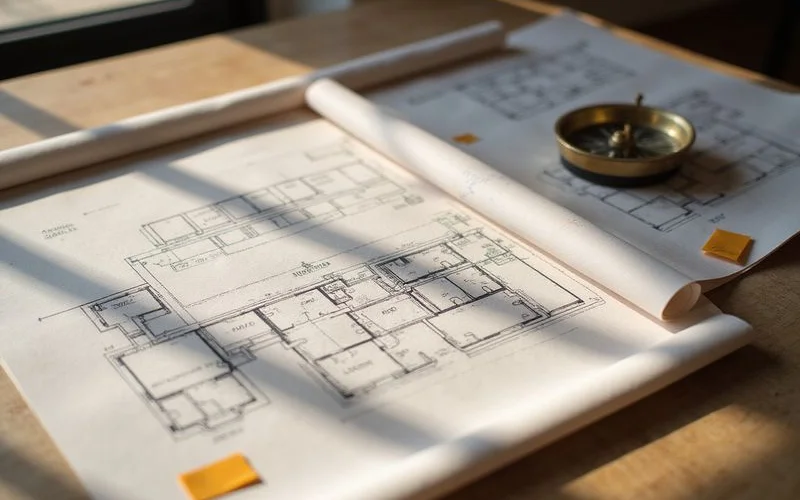
Adjacency is the part most people miss. We’d look at the floor plan stack and ask what’s on each side, above, and below.
| Next to | What to expect |
|---|---|
| Elevator shaft | Hum and door chimes, plus easy access |
| Trash chute | Noise at pickup times and occasional odor |
| Stairwell | Door noise and foot traffic |
| Pool or courtyard | Daytime and evening activity |
| Parking garage entrance | Car noise and headlights |
| Amenity rooms | Gym equipment or event noise |
None of these rule a unit out. They just help you pick the version of a floor plan that fits your schedule.
A quick scoring sheet for two units
When you’re down to two units in the same building, a short scoring sheet helps. Rate each line 1 to 3 for your needs, then add them up.
| Factor | Unit A | Unit B |
|---|---|---|
| Base rent for this exact unit | ||
| Floor (noise above, stairs, view) | ||
| Exposure (afternoon sun, heat) | ||
| Adjacency (elevator, chute, garage) | ||
| Walk to parking | ||
| Light and layout |
A unit that wins on price but loses on sleep isn’t always the better pick. If you work nights, give adjacency and floor more weight. If you’re home in the afternoon, give exposure more weight.
Ask the leasing office for the unit’s exact base rent, not the floor plan’s lowest price. Premiums for floor, view, or corner position can add a monthly amount that changes the comparison. We put that exact number into true monthly and year two, so the two units get compared the same way as two buildings.
Should you see the model or the actual unit?
The actual unit. Models often have upgraded finishes, staged furniture, and the building’s top view. We tour the unit you’d sign for, or send a video walk of it. Our tour checklist lists what to check room by room, from water pressure to outlet placement.
Every building on the New Build Board shows its stage and what’s finished. Send us your shortlist and the unit numbers you’re weighing. We’ll check exposure, adjacency, and price for each, usually within a few hours during our hours.