What is a phased opening?
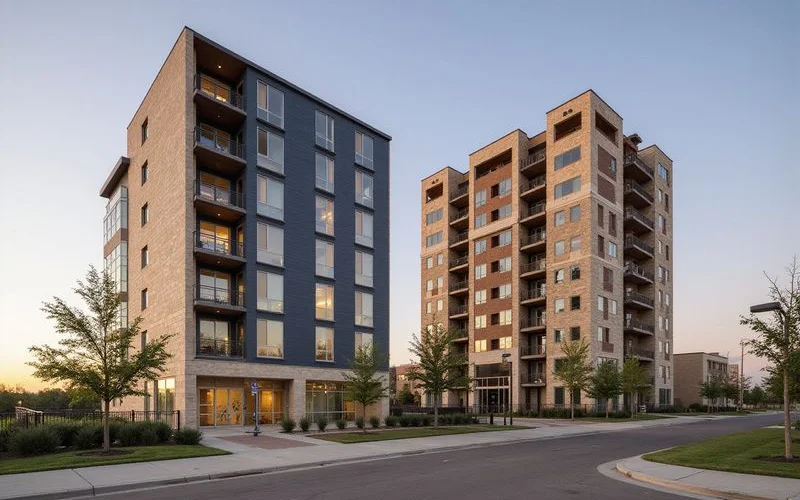
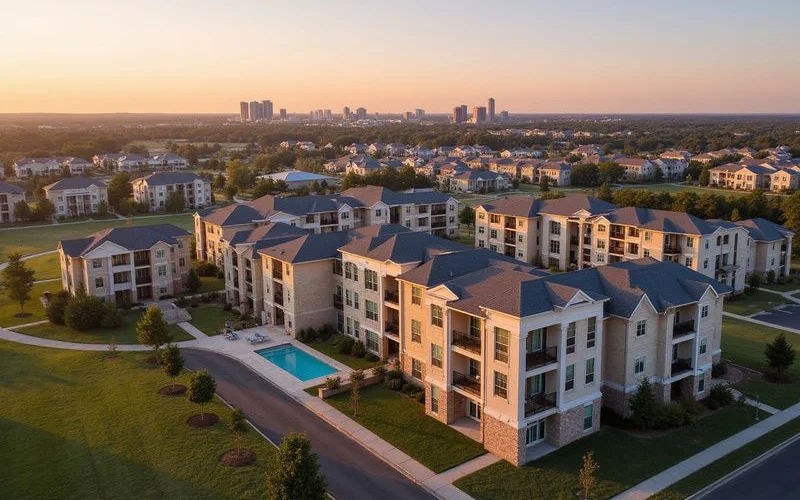
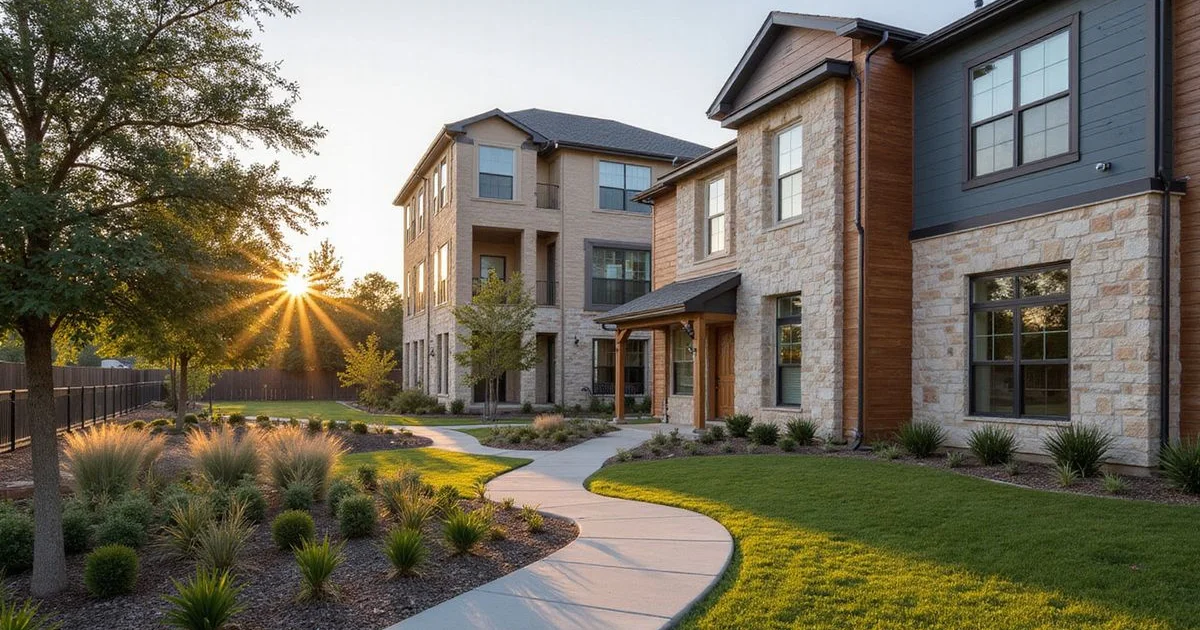
Large new communities often open in phases. Phase I gets its Certificate of Occupancy and residents move in, while Phase II, and sometimes Phase III, are still being built. If you’re looking at opening soon communities, you’ll see phased delivery a lot, especially in garden-style communities spread across several buildings.
Phasing lets a community start leasing sooner. For you, it means a home that’s ready now in a community that isn’t finished yet.
How do phased Certificates of Occupancy work?
Each building, or group of buildings, is inspected and approved separately. Phase I can be fully occupied while Phase II is framing. Sometimes a temporary Certificate of Occupancy comes first, then a final one. The leasing office should be able to tell you which buildings are approved and when the next phase is expected.
Which amenities are in which phase?
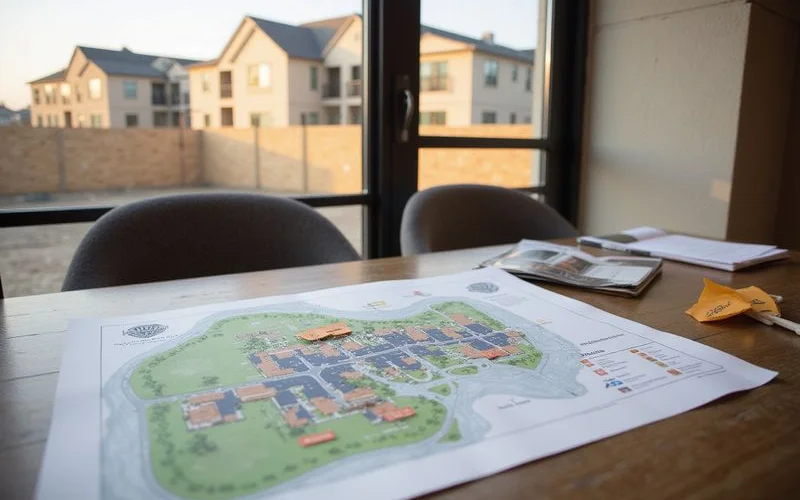
This is the most important question to ask. Some amenities open with Phase I. Others, like a second pool, a clubhouse, or a parking garage, are built with a later phase. Ask for the phase map. If your phase isn’t open yet, our guide on whether to pre-lease or move in now walks through the tradeoff.
| Question | Why it matters |
|---|---|
| Which buildings are in each phase? | Tells you where construction will be |
| Which amenities open with each phase? | Tells you what you’ll have at move-in |
| Where are the construction entrances? | Tells you about truck traffic near your unit |
| What are the work hours? | Tells you when it’ll be noisy |
| Where is interim parking? | Tells you where you’ll park until the garage opens |
What’s it like living next to construction?
It depends on how close your building is. A Phase I building on the far side of the site may barely notice. One across a drive from Phase II will hear it during work hours. Here’s what we’d do:
- Pick a unit facing away from the next phase if you can.
- Ask for the work hours in writing.
- Check walking routes from parking to your door during construction.
- Ask about dust and deliveries, especially near entrances.
Our guide on unfinished amenities covers what to ask for in writing when part of the community isn’t done.
Ask for the phase map
It’s the single most useful document for a phased community. It shows what’s built, what’s next, and where the work will happen.
A labeled phase timeline
Here’s how a two-phase community might unfold, with made-up months, to show what to ask about.
| Month | Phase I | Phase II |
|---|---|---|
| Month 1 | First move-ins; leasing office and some amenities open | Framing |
| Month 4 | Mostly leased; pool opens | Exterior finishing |
| Month 7 | Stabilizing | Certificate of Occupancy; new units release with a special |
| Month 9 | Stabilized | Clubhouse and garage open |
If you moved into Phase I in month 1, you’d live near active construction for about six months. If you moved into Phase II in month 7, the community would be nearly finished, and a new special might apply.
Ask the office for its own timeline, in writing. The dates will differ, but the questions stay the same.
Does pricing change between phases?
Often. When a new phase releases units, the community may bring back or deepen a special to fill them. That can mean a unit in Phase II costs less than a similar one in Phase I did a few months earlier. We compare units across phases on the New Build Board, with year two shown.
Tell us the community you’re looking at. We’ll get the phase map, the dates, and the whole price for units in each phase, usually within a few hours during our hours.