What does “new construction” mean on our board?
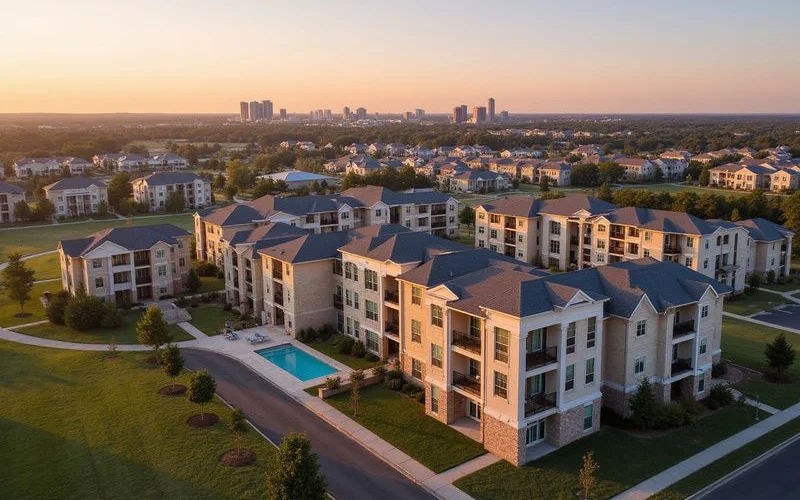
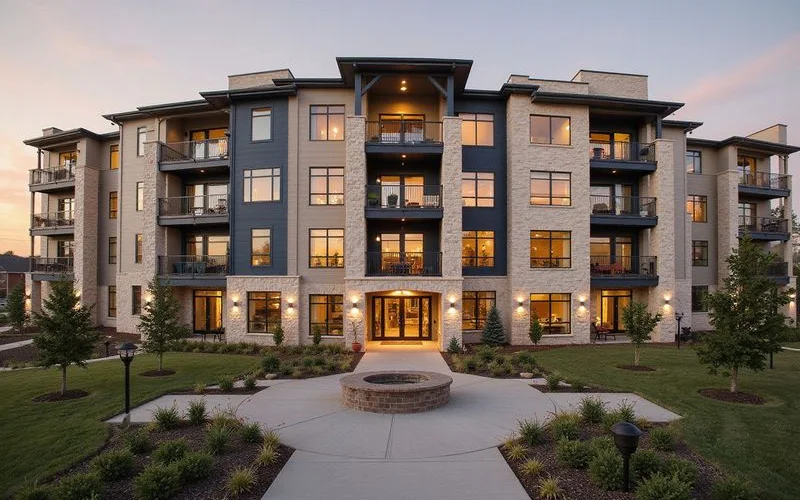
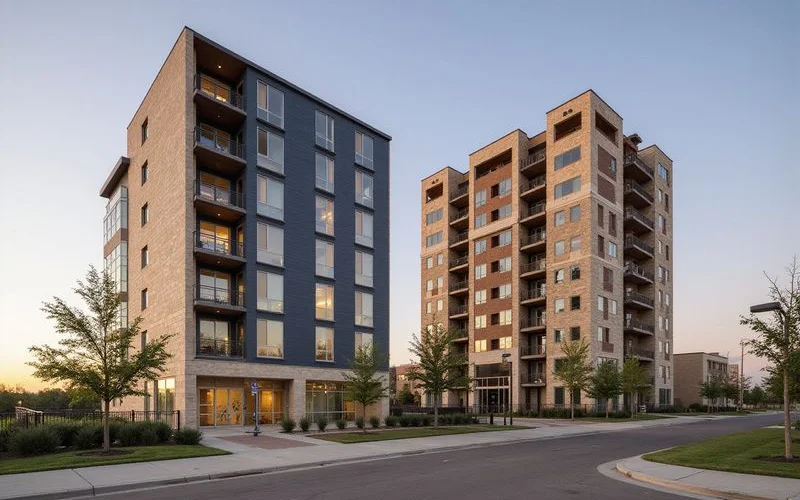
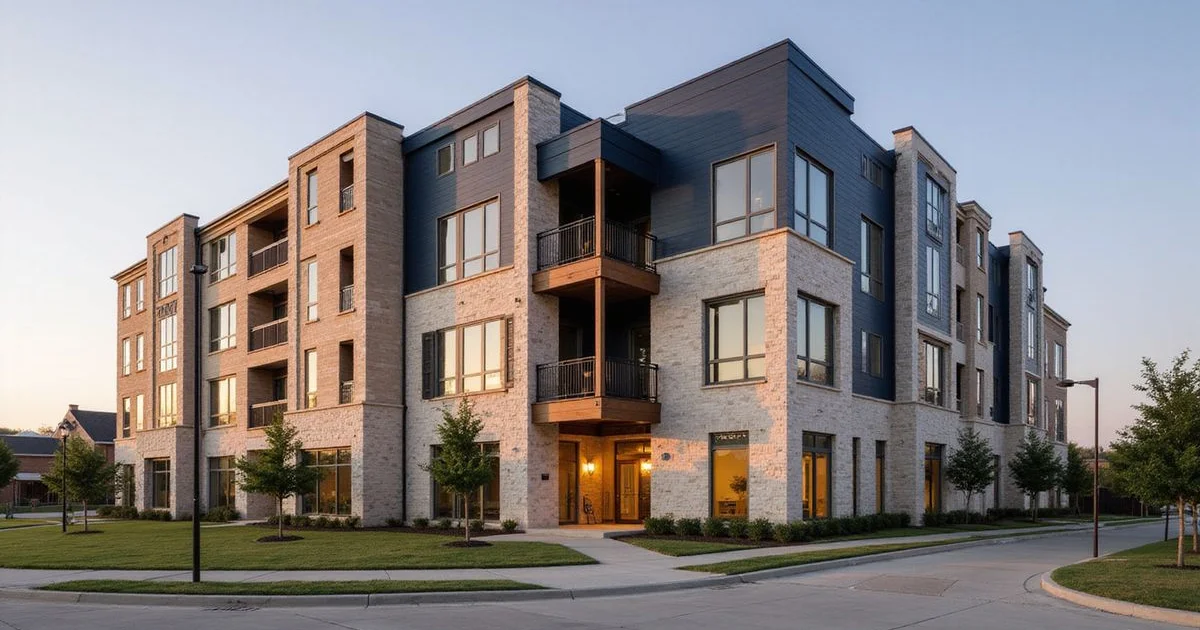
On the New Build Board, new construction means a ground-up building with first move-ins from 2024 to 2027. That’s the whole rule. If the building rose from an empty site, or a cleared one, and its first residents moved in during that window, it qualifies.
Our Oct 25, 2026 export held 73 such communities on the Fort Worth side, built from 2024 to 2026, with more on the opening calendar for 2027. We check each one against its Built/Renov record, not its marketing.
What’s left out, and why?
Three kinds of buildings stay off the board:
- Renovations. A building that was gutted and refinished. It may feel new inside, but the structure, systems, and often the floor plans are older.
- Conversions. An office, hotel, or other building turned into apartments.
- Renamed older buildings. New name, new signs, sometimes new management, same building.
We leave them out because the rest of our math depends on it. Lease-up specials, first-year punch lists, and new-build fee structures behave differently from older buildings. Mixing them in would make the comparisons less useful.
Older buildings as a price reference only
We sometimes cite older-building rents as context, such as citywide asking or effective rents. They never appear on the board.
What’s a first-generation unit?
A first-generation unit is one nobody has lived in before. When you move into one, you’re the first to use the appliances, the HVAC, and the plumbing. That’s a plus, and it’s also why we send a written punch list at day 7 and day 30. Some issues only show up after a few weeks of real use. Once you know a building qualifies, our guide on comparing new buildings on 24-month cost shows how to line them up.
What stages does a new building move through?
| Stage | What’s happening | Where to look |
|---|---|---|
| Pre-leasing | Units are leased before the building, or a phase, opens | Opening soon |
| Lease-up | First residents are in, and the building is filling | Lease-up apartments |
| Stabilized | The building is mostly full, and pricing settles | The board |
A building can’t open until it receives a Certificate of Occupancy, sometimes a temporary one first. Large communities may open in phases, with Phase I occupied while Phase II is still being built.
Each stage changes what you’d check. Pre-leasing is about dates. Lease-up is about specials that move daily and amenities that may not be finished. Stabilized is about comparing base rent and year two.
How can you check a building’s age yourself?
If you see a building advertised as new and want to check, here are the places we’d look:
- The county appraisal district. Property records list the year built, and sometimes the effective year after a renovation.
- The building’s own website. Ground-up communities often list a grand opening date. Renovated ones mention “newly renovated” or “reimagined.”
- The city’s permit records. New construction permits and Certificates of Occupancy are public in many cities.
- Street view history. Older imagery can show an empty lot or an older building on the site.
| What you see | Likely meaning |
|---|---|
| Year built 2024 to 2026 | Ground-up new construction |
| Year built 1990s, effective year 2025 | Renovated |
| New name, same address, older year built | Renamed |
| Former office or hotel use | Conversion |
If the records disagree with the marketing, the records win. That’s the rule we use on the board.
How do we label stage on each card?
Every card on the board shows the building’s stage, the date we last confirmed it, and what’s finished. That way you can tell a building that opened last month from one that’s two years in.
Our guide on how to pick the right unit covers the next step, once a building makes your list. If you’d like us to check a building you’ve seen advertised as new, send it over. We’ll check its build record and reply, usually the same day during our hours.